As VIP fatigue sets in and BPMs fracture across the island, Ibiza’s 2026 season marked a definitive pivot away from the post-pandemic mega-spectacle and a return to the raw, intimate roots of dance music culture.
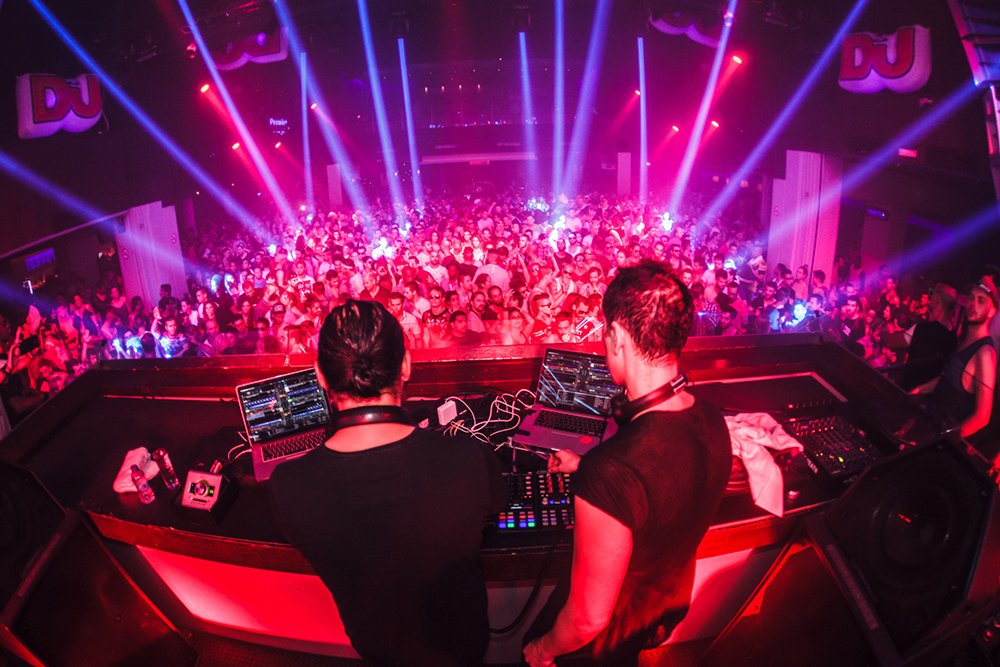
It is 5:00 AM in early October, and the thick, humid air inside a renowned San Rafael terrace is vibrating. There are no massive LED screens flashing geometric shapes. There are no CO2 cannons drowning out the high-hats. In a stark departure from the hyper-produced, phone-in-the-air spectacles that have dominated the island’s narrative over the last half-decade, the dancefloor is shrouded in deep, shadowy reds and piercing, minimalist white strobes. The DJ a formidable force in the new wave of hard groove is three hours into a seamless, all-night-long set, seamlessly blending a dusty 1998 tribal house vocal with a punishing 140 BPM techno kick. The crowd is moving as a single, sweating organism.
This was the defining image of Ibiza in 2026. For years, critics and veteran clubbers alike have lamented the slow, creeping sanitization of the world’s dance music capital. The post-pandemic boom brought an unprecedented influx of wealth to the Balearics, turning dancefloors into heavily partitioned VIP enclosures and transforming DJ sets into heavily rehearsed, 90-minute visual concerts. But ecosystems naturally self-correct. As the dust settles on the 2026 season, it is clear that a cultural recalibration has occurred. The bubble of excess hasn’t burst, but it has bifurcated, making room for a fierce, underground renaissance that proves the White Isle still dictates the global rhythm.
The Post-Peak Correction and VIP Fatigue
To understand the shift in 2026, one must look at the economic and cultural exhaustion that peaked in the preceding years. Between 2023 and 2025, the cost of clubbing on the island skyrocketed. The commercialization of the VIP experience meant that the actual dancefloors the spaces where the energy of a club is generated were physically shrinking to accommodate more velvet ropes and bottle service tables. The music, consequently, began to reflect this environment: safe, predictable, and engineered for Instagram rather than endurance.
However, 2026 revealed a tipping point. Promoters and venue owners began to recognize “VIP fatigue.” The new generation of ravers, heavily influenced by the gritty, warehouse-centric aesthetic of the mainland European techno scene, arrived on the island with little interest in being spectators. They demanded immersion.
In response, several key residencies made deliberate architectural and atmospheric changes. We saw the return of the stripped-back room. Clubs physically dismantled some of the obtrusive VIP tiers in favor of expanded general admission dancefloors. The message was clear: the DJ is not a rockstar on a pedestal, but a conductor in the center of the room. This democratization of the dancefloor injected a much-needed jolt of visceral, unpretentious energy back into the island’s nocturnal economy.
The Fracture of the BPM: From Melodic to Relentless
Musically, 2026 was the year the rigid boundaries of genre finally collapsed under their own weight. For nearly a decade, the island was neatly segregated: tech-house ruled the terraces, melodic techno dominated the megaclubs, and commercial EDM held the outdoor daytime stages. This season, those walls came down.
The most notable shift was the aggressive acceleration of tempo. Driven by the global explosion of hard techno, hard groove, and fast trance, Ibiza’s underground rooms experienced a massive BPM spike. DJs who traditionally operated safely in the 125-128 BPM tech-house range were suddenly closing their sets at 140 BPM, dropping early-2000s hard dance edits and relentless, driving percussive tracks. The polished, cinematic breakdowns of melodic techno while still drawing massive crowds at venues like Hï and Ushuaïa faced stiff competition from artists pushing a much more abrasive, loop-heavy, and hypnotic sound.
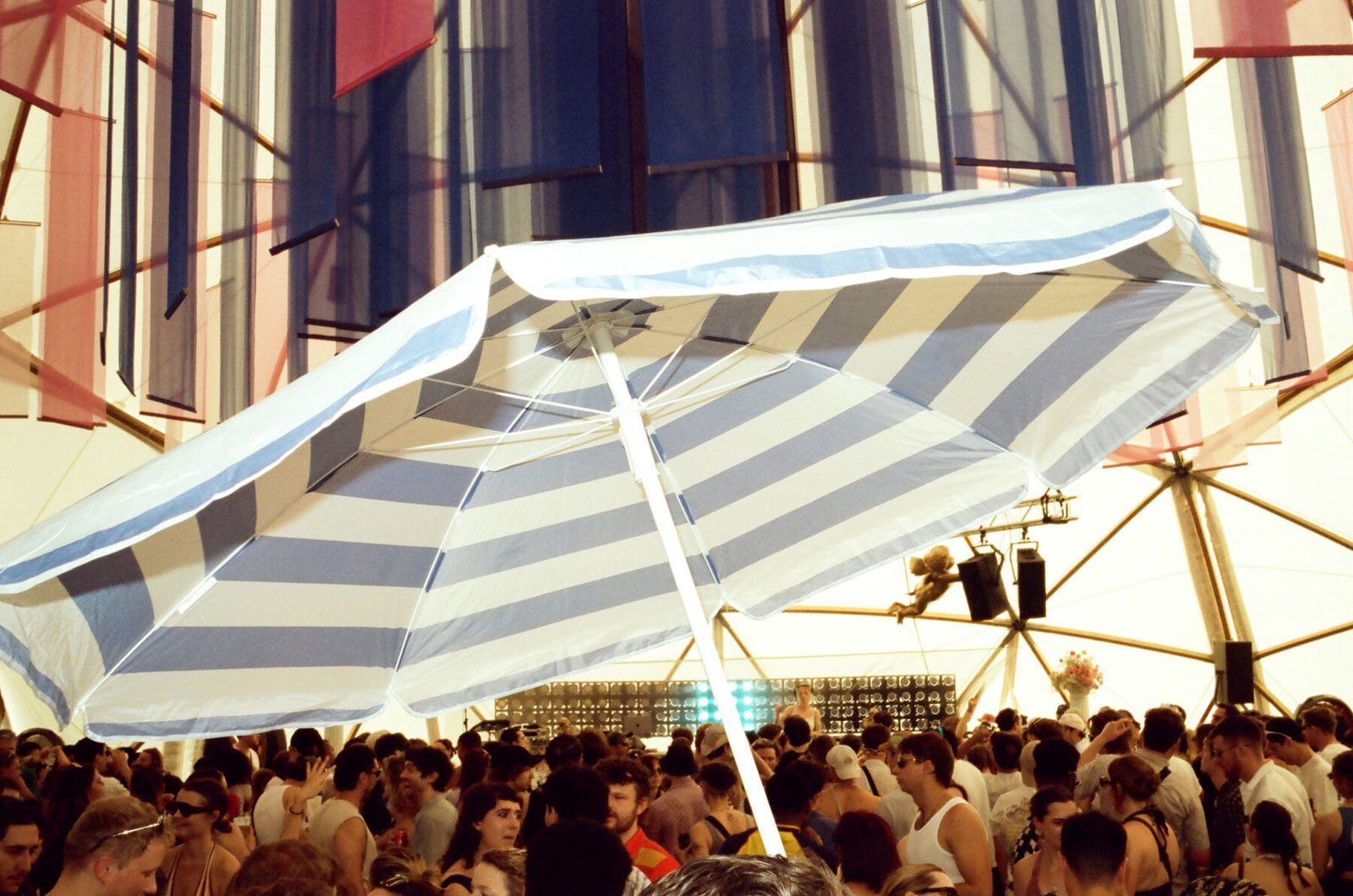
Conversely, the daytime and sunset spaces saw a deepening of the Afro-house and organic electronic movements. The Keinemusik effect, building on years of steady growth, fully saturated the island’s beach clubs and open-air venues. The juxtaposition was striking: 2026 was defined by either deeply emotive, 118-BPM polyrhythms under the afternoon sun, or punishing, 145-BPM industrial rhythms in the pitch black of night. The middle ground the polite, repetitive tech-house that soundtracked the 2010s was largely squeezed out.
The Anti-Megaclub: Intimacy as the Ultimate Luxury
While the colossal superclubs continued to push the boundaries of audiovisual technology offering production values that rival stadium rock tours a powerful counter-movement took hold in 2026. Intimacy became the most sought-after currency on the island.
Venues like Akasha in the north of the island, with its roughly 300-person capacity, became the beating heart of this movement. By booking elite, globally recognized selectors who would normally play to thousands, and placing them in a small, acoustically perfect room with a strict no-phones policy, these micro-clubs offered a return to the ethos of the early 90s.
Similarly, the legendary Pikes Hotel solidified its reputation as the last true bastion of Balearic bohemianism. By strictly curating its door and maintaining a ban on dancefloor photography, Pikes provided a sanctuary where artists could take massive musical risks without fear of ending up on a viral TikTok. This pivot toward smaller capacities wasn’t just nostalgia; it was a necessary survival mechanism for a culture that relies on genuine, unmediated human connection. Clubbers in 2026 were willing to pay premium prices, not for a larger table, but for a smaller room.
The Rise of the All-Night-Long Selector
Perhaps the most welcome trend of the 2026 season was the resurgence of the extended set. The festivalization of Ibiza had previously conditioned promoters to stack lineups with six or seven headliners, giving each artist a hurried 90-minute slot. This format effectively killed the art of the journey, forcing DJs to cram their biggest hits into a frantic window.
This year, the “All Night Long” format returned to prominence. Residencies began trusting artists to command the room from doors open to sunrise. This format allows the music to breathe. It gives the DJ the space to start deep, experiment with ambient and downtempo records, build the tension slowly over hours, and eventually drive the room into a frenzy before guiding them back down. It separated the true selectors from the mere producers. Watching a master navigate the energetic flow of a massive room over seven hours became the defining musical experience of the summer, proving that the art of DJing is still fundamentally about endurance and psychological pacing.
What Ibiza 2026 Means for the Global Culture
Ibiza has always functioned as the research and development department for the global electronic music industry. The tracks that dominate the Amnesia terrace in July become the anthems of the South American festival circuit in December and the Miami Music Week staples the following March.
The trends established this season will send a clear directive to the rest of the world. Promoters globally will note that the appetite for massive, passive visual shows is plateauing, while the demand for high-energy, immersive, and community-driven events is surging. The success of the “no-phones” policies in Ibiza’s smaller venues will likely embolden promoters in London, New York, and Berlin to enforce stricter door policies aimed at preserving the vibe of the dancefloor over its marketability.
Furthermore, the breaking down of tempo barriers on the island grants permission to DJs worldwide to take more risks. The 2026 season proved that modern clubbers possess expansive palates; they do not need to be spoon-fed a single genre for an entire evening.
Ibiza is often prematurely eulogized. Every decade, a new generation declares that the island has lost its soul, sold out to the highest bidder, and forgotten the Balearic spirit that birthed it. Yet, the 2026 season stands as a powerful counter-narrative. The island is not a static museum; it is a living, breathing entity that constantly sheds its skin. Yes, the mega-yachts remain moored in the marina, and the VIP economy is too deeply entrenched to ever fully disappear. But look closer, listen harder, and step off the main roads. This year proved that beneath the glossy veneer, the underground pulse of the White Isle is beating faster, darker, and louder than it has in years. The empire hasn’t fallen it has simply remembered what built it in the first place.
Ibiza’s 2026 season marked a dramatic cultural shift. As VIP fatigue peaked, the White Isle returned to its raw roots, embracing intimate venues, all-night-long sets, and a massive surge in underground tempos.