
Dismissed by critics as outdated stadium fodder, the euphoric synths and driving basslines of the late ’90s have quietly infiltrated modern techno, reshaped progressive house, and captured the hearts of a new underground.
Step into any cavernous, industrial warehouse party right now—whether in Berlin, London, or São Paulo—and wait for the peak time. Between the punishing, 145-BPM industrial techno kicks, something unexpected happens. The aggressive percussion drops away. A shimmering, unashamedly emotional supersaw synthesizer begins to climb. Hands shoot into the air, eyes close, and a crowd of twenty-somethings surrenders to a massive, euphoric melody. Ten years ago, playing a classic ’90s trance arpeggio in a strict techno set would have cleared the floor. Today, it is the sound of the vanguard.
For years, dance music purists wrote trance’s obituary, relegating it to the annals of glowing pacifiers, oversized pants, and overly commercialized superclubs. But music, much like the Roland JP-8000 synthesizers that defined the genre, operates in loops. Trance didn’t die. It went underground, fractured into new subgenres, deeply influenced the current melodic techno boom, and has now returned to the mainstage with a vengeance.
The Birth of Euphoria
To chart the genre’s resurrection, we must look at its genesis. In the early 1990s, the European underground was largely divided between the breakneck speed of hardcore and the repetitive, mechanized thud of Detroit-influenced techno. A cohort of producers in Germany—centered around Frankfurt and Sven Väth’s Eye Q Records—began asking a dangerous question: What if techno had feelings?
Tracks like Dance 2 Trance’s “We Came In Peace” and Jam & Spoon’s legendary 1992 remix of “The Age of Love” provided the answer. By layering hypnotic, repetitive melodies over a driving 4/4 kick, they created a sound designed to induce a trance-like state. It was cinematic, deeply emotional, and structurally complex. When the sound traveled to the UK and the Netherlands, it exploded.
The Superclub Apex and the Inevitable Backlash
By the turn of the millennium, trance was the undisputed king of global dance music. British superclubs like Gatecrasher and Cream built empires on the genre. In the Netherlands, a new wave of producers—led by Tiësto, Ferry Corsten, and Armin van Buuren—took the sound out of dark clubs and into massive arenas. Armada Music became a global powerhouse, and the music evolved into an arms race of massive snare rolls, angelic vocal features, and pyrotechnic drops.
But with massive commercial success came dilution. By the late 2000s, the genre had largely morphed into a predictable, formulaic template. The raw, hypnotic edge of early trance was sanded down for mainstream radio. As the aggressive, bass-heavy wave of American EDM took over the global festival circuit, traditional trance was pushed out of the spotlight. To the critical press, trance had become a dirty word—a relic of a bygone era.
The Psychedelic Bridge
While mainstage trance struggled with its identity crisis, the genre’s lifeblood was preserved on the fringes. Between 2013 and 2015, a distinct wave of producers found refuge in the psytrance scene. Projects operating in this space kept the high-tempo energy alive, pushing the boundaries of intricate sound design and driving rolling basslines. The psytrance festivals of Europe and South America became sanctuaries where the hypnotic repetition of the ’90s survived.
For many artists in the trenches during this era, this psychedelic phase was a crucial laboratory. Producers were honing their skills in creating deep, resonant atmospheres. Eventually, as the scene began to shift again, many of those same artists realized that the emotional weight of their productions didn’t require 140 BPM. They began slowing the tempo down, keeping the rich, expansive synthesizers but marrying them to heavier, more deliberate grooves.
The Melodic Techno Pipeline
This pivot laid the direct groundwork for what would become the defining sound of the late 2010s and early 2020s: Melodic Techno.
When Italian duo Tale Of Us launched Afterlife, the aesthetic was cloaked in darkness, minimal visuals, and the brooding atmosphere of techno. But listen closely to the architecture of tracks by Anyma, CamelPhat, or Mathame, and the DNA is undeniable. Melodic techno is, in many ways, trance operating at 122 BPM.
The sprawling breakdowns, the dramatic tension and release, the arpeggiated synth lines—these are the hallmarks of classic trance, repackaged with pristine, modern production standards and a cooler, darker techno veneer. By stripping away the cheesy vocals and slowing the tempo, melodic techno allowed an older generation of clubbers to experience trance-induced euphoria without the stigma, while simultaneously introducing the musicality of the ’90s to a crowd raised on minimal house.
The Fast Trance Revival and Gen Z’s Embrace
But while melodic techno slowed things down, a parallel movement was brewing in the underground that wanted the speed back. Enter the post-pandemic club scene.
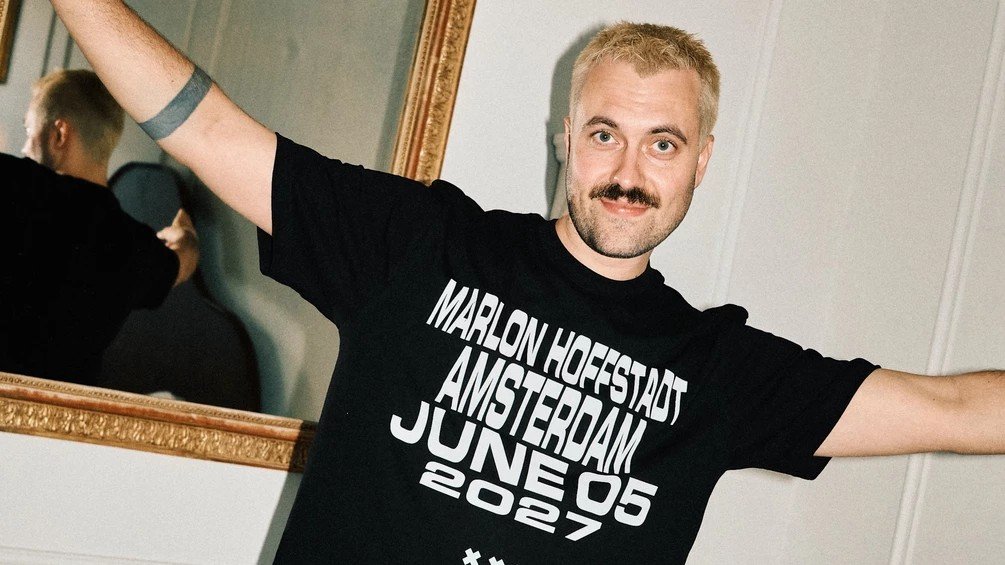
A new generation of ravers, exhausted by the polite, restrained grooves of tech-house, craved unbridled energy. DJs like KI/KI, Marlon Hoffstadt, and Patrick Mason began dropping original late-90s trance white labels, early hard trance, and Eurodance into their high-octane sets. The BPMs shot back up to 145 and beyond.
This current iteration, often dubbed “fast trance” or “neo-trance,” strips away the bloated, stadium-rock excess of the 2000s and returns to the raw, visceral energy of 1993. It is fast, punchy, and entirely devoid of irony. Young producers are unearthing old Roland JP-8000s, utilizing the same supersaw waveforms that powered the trance golden age, and fusing them with the relentless kick drums of hard techno.
Trance’s journey from the sweaty lofts of Frankfurt to the global superclubs, through the wilderness of the EDM boom, and back into the bleeding-edge underground is a testament to its foundational power. It survived because the core human desire it serves the need for communal, emotional release on a dancefloor is permanent. Whether it’s hidden beneath the sleek, cinematic visuals of a modern melodic techno show or hammered out at 150 BPM in a Berlin basement, the soul of trance remains intact. It never really died; we just had to wait for the rest of the world to catch up to the melody again.
Once dismissed as outdated stadium fodder, ’90s trance has quietly returned to dominate global dancefloors, deeply influencing the modern Melodic Techno boom and sparking a high-tempo underground revival